
Beyond Meat Business Model Struggles and What Went Wrong With Plant Protein
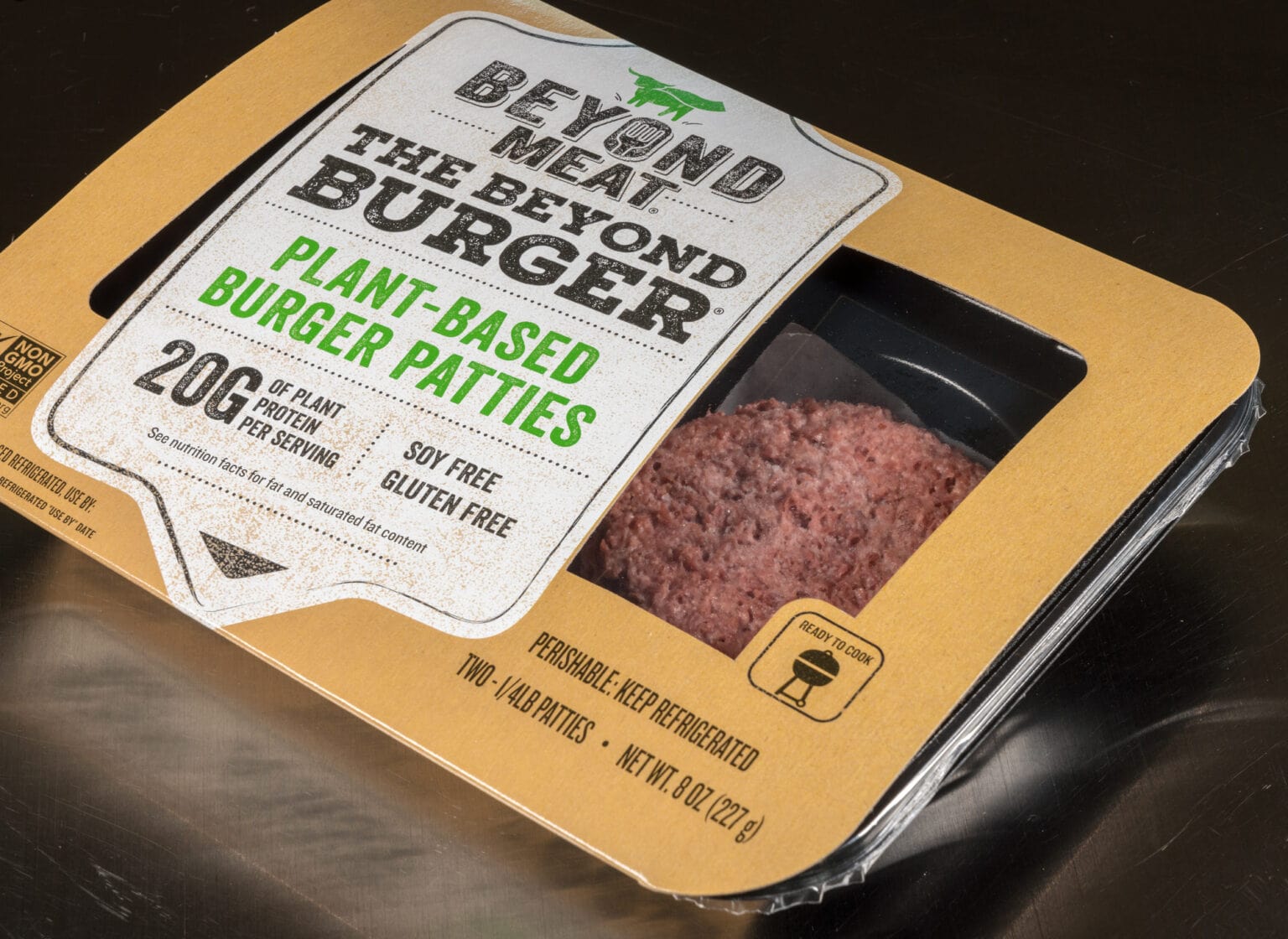
The collapse did not happen because Americans woke up and rejected every pea-protein burger. The Beyond Meat business model ran into a harder problem: it asked shoppers, restaurants, and investors to accept premium pricing, heavy processing, and meat-like taste before the economics had caught up. That is a rough bargain in a U.S. grocery aisle where families compare every dollar against chicken, ground beef, eggs, and store brands. Beyond also became a symbol before it became a habit. That helped the company win headlines, fast-food tests, and Wall Street attention, but symbols do not refill freezers every week. For small founders studying business storytelling and market visibility, the lesson is sharp: attention can open the door, but repeat buying pays the rent. The company’s own 2025 results show the pain clearly, with annual net revenue down 15.6% to $275.5 million and gross margin down to 2.8%.
The Beyond Meat Business Model Put Scale Before Habit
Beyond’s early promise sounded clean. Make plant-based meat that cooks like beef, sell it through supermarkets and restaurants, then grow production until costs fall. That logic worked for software, electric cars, and some packaged foods. Food behaves differently. A burger is not a phone upgrade. It is dinner, memory, smell, texture, habit, and price all stacked on one bun. When a brand enters that space, the real enemy is not only beef. It is the family routine that already works.
Why the grocery shelf exposed weak repeat demand
The freezer case is honest. A shopper may try plant-based meat once because it feels new, kinder, or better for the planet. The second purchase has a tougher test. Did the burger taste good enough? Did the kids notice? Did it cost more than the beef on sale across the aisle?
That is where Beyond faced friction. Its products were often sold near familiar proteins but priced like a special item. In many U.S. households, the first trial came from curiosity. The repeat purchase needed a clear reason. “Better for the planet” may win a dinner debate, but “cheaper and liked by everyone” wins Tuesday night.
The non-obvious issue is that a better mission can make the second sale harder. Once a product carries a cause, every flaw feels louder. A dry bite, a strong smell, or a long ingredient line does not feel like a small product miss. It feels like a broken promise. You see the same pattern in other grocery experiments. A parent may buy a new protein for a cookout because one guest does not eat meat. That is a special occasion, not a weekly habit.
Why restaurants were a tempting but fragile shortcut
Fast-food partnerships gave Beyond cultural proof. Seeing a plant-based patty at a national chain made the category feel mainstream. The problem was that restaurant traffic did not always turn into a normal eating habit at home. A limited-time menu item can create trial without creating loyalty.
Restaurants also care about speed, margin, and kitchen simplicity. If a plant-based item needs separate handling, slower prep, or extra staff explanation, it carries hidden costs. Those costs matter more when sales slow. A chain can test an item for buzz, then cut it when the register says no.
That does not mean foodservice was a mistake. It means it was not a substitute for a strong grocery base. The U.S. market gave Beyond awareness before it gave the company stable demand. Awareness looked like victory from the outside. Inside the business, it still had to become weekly buying. For business owners, this is the same trap covered in many retail pricing strategy examples. A big partner can make demand look proven before the customer has made the product part of life.
The Plant-Based Meat Category Lost Its Easy Story
Beyond did not fall alone. The wider plant-based meat category ran into a story problem. Early marketing told Americans these products could satisfy meat eaters, help the planet, and fit modern health goals. Then shoppers began reading labels, comparing prices, and asking a blunt question: is this worth buying again? That question sounds simple, but it changed the power balance. The category had to stop winning on novelty and start winning on ordinary usefulness.
When health positioning met ingredient skepticism
Plant-based foods once had a natural health glow. Beans, lentils, tofu, oats, nuts, and vegetables all helped build that glow. Meat-mimicking products borrowed it, but they also carried oils, binders, flavor systems, and sodium levels that did not feel as simple as a bowl of chickpeas.
This is where plant protein became trapped between two worlds. It was not meat, yet it was not whole-food cooking either. For some buyers, that middle space felt smart and modern. For others, it felt processed without being cheap. The category needed patience, but the public company clock kept ticking.
The AP reported that Beyond moved toward “Beyond The Plant Protein Co.” while expanding into drinks and snacks, a shift that followed weaker U.S. plant-based meat sales and a two-year drop in the category. That rebrand says something deeper than a name change. It admits that “meat alternative” became too narrow, too loaded, and too hard to defend at the shelf. Many old American pantry staples are processed too, from cereal to sandwich bread, but they never promised to solve dinner, health, climate, and animal welfare at the same time.
Why taste parity was uneven, not impossible
A common lazy take says plant-based meat failed because it tasted bad. That misses the point. Some products were close enough for many buyers. Others were not. The gap changed by format, brand, cooking method, and expectation.
A burger patty has a better chance because sauce, bun, cheese, onions, and char carry part of the experience. A plain chicken strip has less cover. A sausage can hide more behind seasoning. A steak has almost nowhere to hide. That is why the category’s future may be less about one perfect beef copy and more about choosing formats where plants already have a fair shot.
Research released in 2026 found that plant-based products can approach animal benchmarks in selected formats, while still trailing at the category average level; the study pointed to savoriness, aftertaste, juiciness, and tenderness as key drivers of liking. That is a practical insight. The science did not fail. The promise got ahead of consistency. A smart food brand would read that as permission to narrow the battlefield: wraps, bowls, breakfast sandwiches, chili, pasta, dumplings, and sauced entrées may offer better chances than plain copycat cuts.
The Cost Structure Did Not Match the Price Fight
Once demand cooled, Beyond had to deal with the part of the business that shoppers never see: factories, inventory, ingredient contracts, debt, and gross margin. A food company can survive slow growth if margins are solid. It can survive thin margins if volume is growing. Beyond faced pressure on both sides at the same time. That is when a branding problem becomes an operating problem, and the fix gets much harder.
Why premium pricing became harder during inflation
For years, plant-based meat asked shoppers to pay extra for a different future. That pitch is easier when budgets feel loose. It is harder when a family is staring at rent, car insurance, childcare, and grocery bills in the same week.
A product can be ethical and still lose to a sale tag. That sounds cold, but it is how food buying works for millions of Americans. Ground beef, chicken thighs, frozen meatballs, and store-brand proteins give shoppers simple math. Beyond needed to beat that math through taste, health, or price. Too often, it landed in the middle.
The alternative protein market also suffered from a timing problem. It scaled up right before consumers became more careful with spending. A premium product can work in a tight economy if it feels like a small luxury. A premium protein replacement has a harder job because it competes with dinner basics, not dessert. The wrong price also changes how people judge taste. A $3 mistake is forgettable. A $9 package that disappoints becomes a small grudge.
When inventory and margin problems became the real warning signs
The deeper warning was not only falling sales. It was the poor margin picture behind those sales. Beyond’s full-year 2025 gross profit was $7.6 million on $275.5 million in net revenue, and the company cited inventory-related charges and China exit costs in that result. That is a thin cushion for a brand still trying to fund a comeback.
First-quarter 2026 showed a similar strain. Revenue fell 15.3% year over year to $58.2 million, while gross margin reached 3.4%. A positive gross margin is better than a loss, but a food brand needs enough margin to support trade spending, product development, staff, marketing, and distribution. Low single digits do not leave much room.
Beyond also disclosed a delay tied to review work around inventory provisions in a March 2026 SEC filing. Inventory is not a boring footnote in packaged food. It can reveal whether the company made too much, guessed demand wrong, or carried products that moved slower than planned. There is a plain lesson here for any founder working through small business cash flow planning: if each case shipped does not move the business toward healthier cash flow, more shelf space may create a larger headache.
What Went Wrong With Plant Protein in the U.S. Market
The phrase “what went wrong” makes the story sound like one bad decision. It was more like several small mismatches that piled up. The product was sold as meat-like but judged as processed. It was priced as premium but bought as a dinner staple. It won attention from flexitarians but needed heavier use from everyday households. The market did not disappear. It grew up, got pickier, and stopped giving brands credit for effort.
Why the flexitarian customer was harder to pin down
The plant-based meat boom depended on flexitarians, not vegans. That made sense. Vegans and vegetarians are a small slice of the U.S. market, while meat reducers are much larger. The catch is that flexitarians are flexible by nature. They do not need to buy the substitute every week.
A shopper might buy Beyond for Meatless Monday, then buy chicken on Wednesday and tacos on Friday. That is still a win for the planet in theory, but it is not always enough for a company built for higher volume. Flexitarian demand can be wide but shallow.
GFI’s 2025 retail overview said U.S. plant-based meat and seafood remained a $1 billion category, but dollar sales fell 10% and unit sales fell 11% that year. That mix tells the story. The market did not vanish. It became less forgiving. Brands now have to earn repeat use instead of riding curiosity. The better question is not “How many Americans are open to this?” Openness is cheap. The better question is “Which meal does this own?”
Why culture turned food into a loyalty test
Food is personal in America. Burgers are tied to tailgates, cookouts, diners, road trips, and family grills. When plant-based meat arrived with climate and animal-welfare claims, some shoppers heard progress. Others heard judgment. That emotional split made the category easier to attack.
The counterintuitive point is that Beyond may have been hurt by trying to imitate meat too closely. A product that says “I am almost beef” invites a beef comparison. A product that says “I am a tasty plant protein bowl, strip, snack, or drink” can set its own rules. That helps explain the move into beverages and other plant-forward items.
That does not mean meat-mimicking food has no future. It means the best path may be narrower and more honest. Win formats where taste can compete. Price them with care. Make labels easier to trust. Stop asking one burger to carry a climate movement, a public company story, and a family dinner all at once. The next version of the alternative protein market may look less dramatic, but that may be healthier for the business.
Conclusion
Beyond’s struggle is not a clean funeral for plant-based food. It is a warning about building a public company around a product that had not yet become an everyday habit. The U.S. customer did not reject every form of plant protein. Shoppers rejected the weak trade-off: higher price, uneven taste, processed image, and no simple reason to buy again next week. The Beyond Meat business model also shows why mission-led brands need boring discipline under the hood. Margins, inventory, repeat rate, and channel quality decide whether the mission gets another chance. The next winners in the alternative protein market will not sound like science projects or moral lectures. They will taste good, cook easily, fit normal grocery budgets, and make plants feel desirable on their own terms. For business owners, the takeaway is direct: do not confuse interest with demand, and do not confuse demand with loyalty. Build the habit first, then scale the promise.
Frequently Asked Questions
Why did Beyond Meat start struggling in the U.S. market?
Sales slowed because the product faced pressure from price, taste expectations, label concerns, and weaker repeat buying. Many shoppers tried plant-based meat once, but fewer made it a weekly habit. Restaurants also reduced some test items when demand did not justify the menu space.
Is plant-based meat still a good business category?
It can be, but the category is tougher now. Brands need sharper pricing, stronger taste, cleaner labels, and better product formats. Growth is more likely in items that fit normal meals instead of products that rely on hype or one-time curiosity.
What is the biggest lesson from Beyond Meat’s decline?
The biggest lesson is that attention is not the same as loyalty. Beyond became famous fast, but fame did not solve repeat purchase, margin pressure, or ingredient skepticism. Food brands need routine use, not occasional trial.
Did inflation hurt plant protein sales?
Yes, inflation made premium substitutes harder to sell. When shoppers compare proteins by price per meal, cheaper animal proteins and store brands often win. A mission-driven product still has to fit the household budget.
Why did Beyond move into drinks and snacks?
The company appears to be widening its identity beyond meat substitutes. Drinks, snacks, bars, and simpler plant-forward products may avoid some of the baggage tied to fake meat while tapping into demand for higher-protein foods.
Are flexitarians reliable customers for alternative protein brands?
They can be valuable, but they are not always predictable. Flexitarians may rotate between meat, seafood, eggs, beans, and substitutes. That gives brands a large audience, but repeat buying may stay shallow unless the product becomes a routine meal choice.
What went wrong with fast-food partnerships?
Fast-food tests created buzz, but buzz did not guarantee lasting sales. Chains need items that sell well, move fast, and fit kitchen operations. If demand softens or prep becomes awkward, a plant-based option can lose its spot.
Can Beyond recover from its current struggles?
Recovery is possible, but it would require more than a new package or product line. The company needs steadier demand, stronger margins, clearer positioning, and products that shoppers trust enough to buy again without needing a cause attached.