Sears Business Collapse Timeline and Lessons for Modern Retail Operators
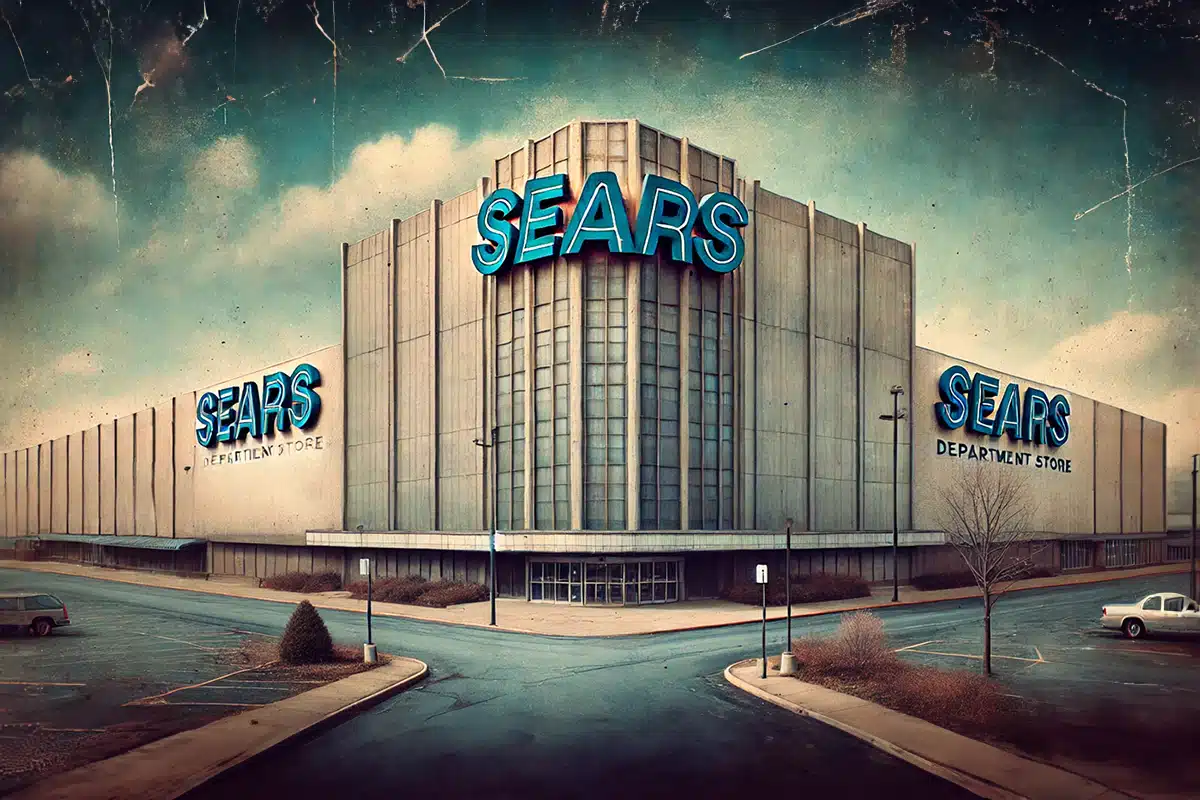
Some retail failures arrive with a loud crash, but the dangerous ones usually begin as small compromises customers can feel before executives admit them. The Sears business collapse shows how a trusted American name can lose ground when store care, cash discipline, digital habits, and customer trust drift in different directions. For U.S. retail operators, the point is not nostalgia. It is survival. Sears had brands people knew, locations in familiar malls, appliance authority, repair services, and decades of household loyalty. That should have been enough time to adapt. It was not. Any operator building local business visibility today can learn from that gap between brand memory and buying behavior. Customers may remember you fondly, yet still spend elsewhere when the store feels tired, the website feels clumsy, or the offer feels unclear. Sears did not lose because Americans stopped shopping. It lost because too many shoppers stopped seeing a reason to choose it first.
Sears Business Collapse Timeline: The Slow Breaks Retailers Missed
The timeline matters because Sears did not fall from one wrong move. It slid through a chain of delays. Each delay looked survivable alone. Together, they changed the company from a retail leader into a warning sign. That is the part retail owners should study. Decline often hides inside normal meetings, safe budgets, and familiar excuses.
From Catalog Powerhouse to Mall Anchor
Sears began as a mail-order giant that solved a real American problem. Rural shoppers needed access to goods they could not find near home. The catalog gave them tools, clothing, appliances, and household items with a sense of trust. Later, Sears stores became anchors in U.S. malls and suburban shopping centers.
That first strength carried a trap. Sears became used to customers coming to it. In the catalog era, the company owned access. In the mall era, it owned convenience. By the time Walmart, Target, Home Depot, Costco, and Amazon trained shoppers to expect sharper prices, faster stock checks, cleaner aisles, and easier returns, Sears was no longer setting the pace.
The non-obvious lesson is that old distribution power can make a company slow. A retailer that once solved access may miss the day access stops being rare. For modern retail operators, this is where cash flow planning for small retailers connects to strategy. You cannot protect yesterday’s model at the expense of the buying habits forming now.
The 2005 Kmart Deal and the Wrong Kind of Scale
The 2005 Kmart and Sears combination looked large on paper. Two famous names. Thousands of stores. Known brands like Kenmore, Craftsman, and DieHard. A national footprint. To a spreadsheet, it had size. To a shopper walking the aisles, size did not fix the dull lighting, weak service, thin staffing, or dated merchandising.
Scale only helps when it strengthens the customer promise. If two tired chains join, the result is not automatically a stronger chain. It can become a larger repair bill. That is what many operators miss when they chase locations, categories, or new markets before fixing the store experience.
By 2018, Sears Holdings had filed for Chapter 11 bankruptcy protection. Its own 2017 Form 10-K showed the pressure clearly: falling revenue, store closings, operating losses, and asset sales had become part of the operating story. The timeline was not only a history of bad luck. It was a record of choices that delayed the hard work.
Why Store Experience Became the First Warning Sign
After the timeline, the next lesson sits closer to the customer. Sears still had reasons people might visit. Appliances. Tools. Auto service. Familiar private labels. Yet many stores no longer felt like places with pride behind them. That gap between brand memory and physical experience became deadly because shoppers judge trust through small details.
Tired Stores Break Trust Before Prices Do
A customer shopping for a washer in Ohio or Florida does not begin with a balance sheet. They notice whether the parking lot feels neglected, whether the appliance floor is staffed, whether signs match the sale online, and whether the associate can answer a plain question. Retail trust is built in those moments.
Sears had an appliance reputation many chains would have loved to own. The problem was that reputation had to be renewed with each visit. A dusty display, missing model, or slow checkout told shoppers the brand was living off old credit. Once that feeling spreads, discounts stop working as well.
Here is the counterintuitive part: high prices do not always push customers away first. Doubt does. A shopper may pay more at a store that feels organized, helpful, and steady. A messy store makes even a lower price feel risky. That is a hard lesson in department store decline, because old chains often blame traffic before they admit the visit itself has become weaker.
Private Brands Need Care, Not Memory
Kenmore, Craftsman, and DieHard carried trust because they stood for jobs people cared about. A refrigerator should last. A socket wrench should not fail. A car battery should start in winter. These were not fashion labels built on mood. They were promise labels built on use.
But private brands cannot live forever on past belief. They need product support, clear ownership, strong placement, and a reason to matter to younger buyers. When a retailer sells or separates key assets to raise cash, it may solve a near-term pressure while cutting into future identity. That is a painful trade.
Retailers today should ask a plain question: which parts of the business create repeat belief? Not sales for one weekend. Belief. A regional furniture store may have one delivery team that customers praise by name. A hardware shop may have one repair desk that keeps contractors coming back. Those assets deserve funding before vanity projects do. A good retail turnaround strategy begins by protecting the trust customers already understand.
How Financial Fixes Can Hide Operating Damage
Once store traffic softens, operators often start looking for relief away from the sales floor. They sell property, cut labor, reduce inventory, delay repairs, shrink advertising, and push vendors harder. Some of that may be needed. But when financial moves replace retail work, the company starts feeding on itself. Sears became a lesson in that danger.
Asset Sales Can Buy Time Without Buying a Future
Sears had valuable assets. Real estate. Store leases. Private labels. Service lines. A huge customer history. Those assets created options. They also created temptation. Selling assets can raise cash, but cash alone does not rebuild the reason customers visit.
Think of a retailer that owns a good corner location in a growing suburb. Selling that property and leasing it back may help the balance sheet for a season. Yet if the store still lacks clean displays, trained staff, and a sharp product mix, the sale only postpones the same question. Why should customers come back?
This is where store investment decisions become moral decisions as much as financial ones. Not in a soft way. In a practical way. A company tells customers what it values by where money goes. If debt relief gets funded while the sales floor keeps aging, customers read the message. They do not need an analyst report.
Cost Cutting Has a Customer Cost
Payroll cuts can make a month look better. They can also make the next month weaker. Fewer associates mean longer waits, weaker selling, poorer recovery, and less care in departments that need guidance. Appliances, mattresses, tools, and home goods are not self-selling categories for many shoppers.
A small retailer can make the same mistake at a smaller size. The owner cuts Saturday staffing to save money, then wonders why weekend conversion drops. The store opens with boxes in the aisle because labor hours were trimmed. Online reviews mention poor help. Then the owner cuts marketing because sales are down.
That loop is brutal.
The better move is not blind spending. It is sharper spending. Retailers need to know which labor hours create sales, which departments need human help, and which tasks can move off peak hours. Department store decline often comes from treating every cost as equal. They are not equal. Some costs are the engine.
Lessons for Modern Retail Operators Competing in America Today
Sears is useful now because many U.S. operators face a smaller version of the same pressure. Rent is high. Labor is tight. Online ads cost more. Customers compare prices on their phones while standing in the aisle. The answer is not to panic or copy Amazon. The answer is to choose a clear lane and fund it with discipline.
Make the Customer Promise Boringly Clear
A strong retail promise should be easy for a shopper to repeat. “They deliver furniture on time.” “They know appliances.” “They fix my mower.” “They have school uniforms in stock.” Sears once had that kind of clarity. Over time, the promise blurred. Was it a department store, appliance shop, tool brand, marketplace, service company, or mall anchor? It was all of those, yet none felt sharp enough.
Modern retail operators should write the promise in one sentence and test every decision against it. If you sell home improvement goods in Arizona, maybe your promise is fast help for homeowners dealing with heat, dust, and repair urgency. That points to inventory, staffing, content, and service choices. It also tells you what to ignore.
A retail turnaround strategy works better when it removes confusion before adding new ideas. The temptation is to add categories, apps, clubs, coupons, and services. Often the braver move is subtraction. Cut the offers that no longer fit. Put money into the few things customers already want from you.
Treat Digital as the Storefront, Not a Side Project
Sears had an early history of remote selling through the catalog. That should have made the shift to online retail feel natural. Yet a catalog mindset is not the same as a digital operating model. Online shoppers expect live inventory, clean product pages, clear delivery dates, easy returns, useful reviews, and support that does not feel trapped in another decade.
For a local U.S. retailer, digital does not have to mean chasing every channel. It means removing friction before the customer arrives. A shopper should be able to check hours, product availability, service terms, financing options, and pickup choices without calling three times. That is not fancy. It is table stakes.
The hidden insight is that digital work often saves the store. When customers know what is in stock, they visit with intent. When pickup works, staff waste less time explaining confusion. When local pages answer common questions, paid ads perform better. This is where customer retention strategy for local stores should include email, search, reviews, and post-purchase service, not only loyalty points.
Store investment decisions also need a digital column now. New lights matter. So does product data. Better signs matter. So does a checkout flow that does not scare mobile shoppers away. The winner is rarely the retailer with the most tools. It is the one whose tools reduce customer effort.
Conclusion
Retail failure rarely begins with empty stores. It begins when leaders accept small cracks as normal. A weaker display. A slower website. A thinner schedule. A brand promise that no one inside the company can say in one breath. Over time, those cracks become the business.
The Sears business collapse should push retail operators to act before the numbers make action painful. Protect what customers still trust. Fund the parts of the store that create confidence. Cut ideas that blur the promise. Measure cash, but do not confuse cash preservation with customer preservation.
American shoppers have not become impossible to serve. They have become harder to fool. They will forgive a small store with limits if it is honest, useful, and consistent. They will not keep rewarding a famous name that asks for loyalty without earning it again. Build the habit of fixing friction while it is still small, and your retail business has a far better chance of staying chosen.
Frequently Asked Questions
What caused Sears to lose its retail leadership in the United States?
Sears lost leadership because its store experience, pricing power, digital execution, and brand focus weakened over time. Competitors gave shoppers cleaner stores, faster service, better online tools, and clearer value. Sears still had name recognition, but recognition stopped being enough.
Why did the Kmart merger fail to save Sears?
The merger added size without solving the deeper customer problems. Both chains needed store upgrades, sharper merchandising, and a clearer reason to visit. Combining two pressured retailers created more complexity, not a stronger shopping experience.
What can small retailers learn from Sears?
Small retailers should protect customer trust before chasing expansion. Clean stores, accurate inventory, trained staff, and clear service promises matter more than looking large. Growth becomes dangerous when the basics are weak.
Is department store decline still a risk for regional chains?
Yes, department store decline still affects chains that rely on habit instead of clear value. Shoppers now compare choices fast. A regional store needs a specific reason to win, such as local service, expert help, exclusive products, or easier pickup.
How should retailers make better store investment decisions?
Start with the areas customers notice and the categories that drive repeat visits. Fix staffing, signage, inventory accuracy, checkout, and service desks before funding cosmetic projects. The best store investment decisions improve trust and sales together.
Can a retail turnaround strategy work after years of decline?
Yes, but only if leaders act with focus. A retail turnaround strategy must cut distractions, protect cash, improve the customer visit, and rebuild one clear promise. Waiting for traffic to return on its own wastes time.
Did online shopping alone destroy Sears?
No. Online shopping added pressure, but Sears also struggled with store quality, debt, weak execution, and blurred positioning. Amazon mattered, yet shoppers also left for Walmart, Target, Home Depot, Lowe’s, Costco, and specialty retailers.
What is the biggest warning sign for modern retail operators?
The biggest warning sign is when loyal customers still remember the brand fondly but stop choosing it. That means the emotional credit remains, but the current offer no longer wins. Operators should treat that gap as an emergency.